Film Marketing Agency vs. DIY: How Indie Filmmakers Build an Audience Before Release
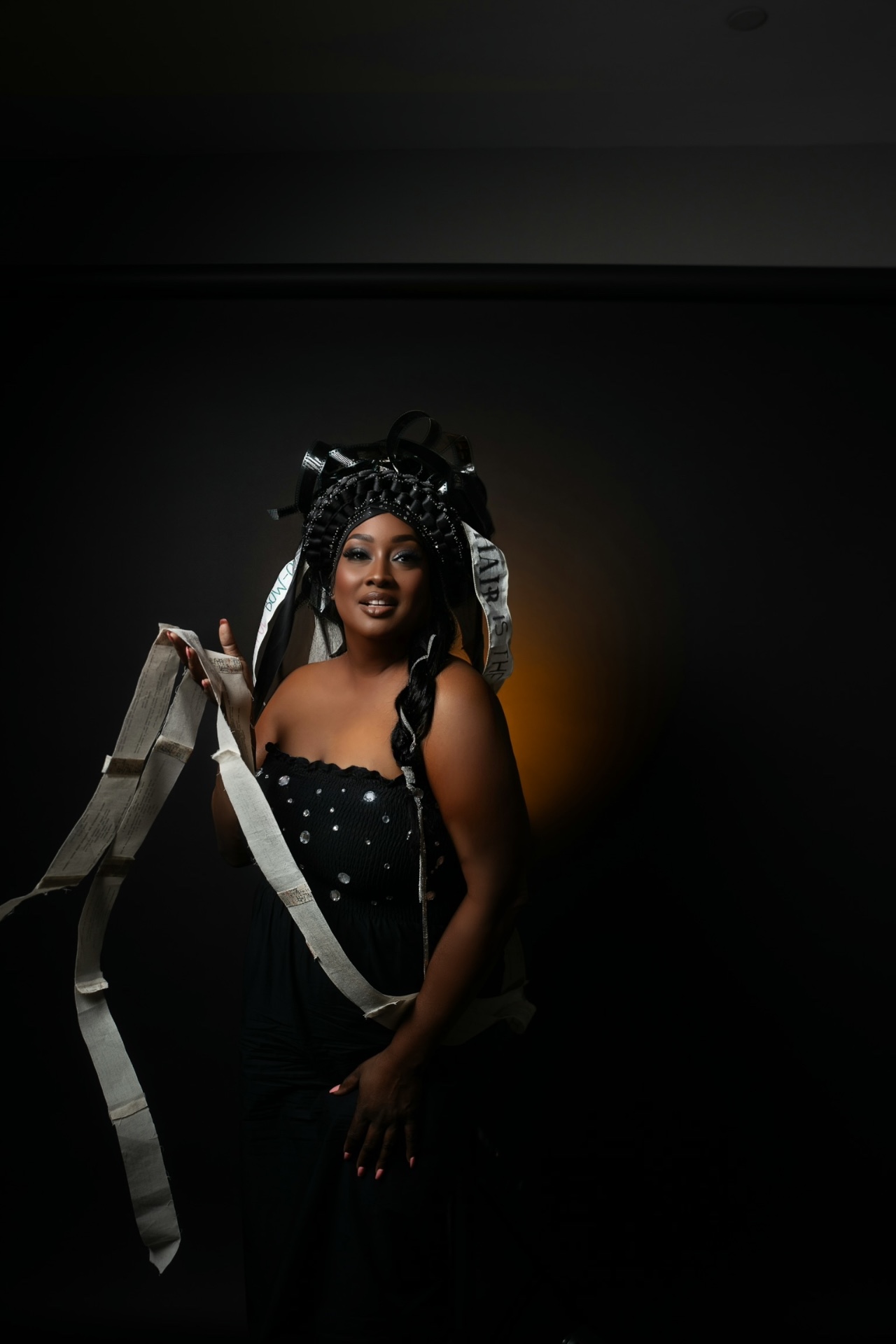
Subject: Film Marketing Agency vs. DIY: Build the Audience Before the Premiere
Preview text: The strongest indie film campaigns do not begin when the film is finished. They begin while the world is still being built.
Dear filmmaker,
There is a particular silence that arrives after a film is complete.
The final export is finished. The hard drives are labeled. The cast and crew have gone home. The poster exists somewhere in a folder. The trailer is almost ready.
And then comes the question:
Who is waiting to see it?
For independent filmmakers, this question is no longer something to leave to a distributor, a festival lineup, or the mysterious machinery of release week. In 2026, the audience is part of the production itself.
Before the premiere, before the platform, before the first review, there should already be a living record of the film: its images, its people, its atmosphere, its private mythology.
Not noise.
A signal.
The Film Marketing Agency Question
Hiring a film marketing agency can bring structure, experience, and a larger view of the campaign. But an agency is not a substitute for an audience.
That distinction matters.
A strong marketing partner helps shape the path between the film and the people most likely to care about it. The work begins with positioning: identifying what makes the film distinct, what emotional promise it carries, and how to describe it without flattening it into a category.
From there, the campaign may include:
- A central campaign concept
- Audience and genre positioning
- Key art and visual identity
- Trailer strategy and social cutdowns
- Press materials and filmmaker biographies
- Festival strategy and submission assets
- Release calendars and platform planning
- Paid media testing
- Email and community growth
- Behind-the-scenes and archival content
The goal is not to make every film look the same.
The goal is to make the right people recognize that this film belongs to them.
A film marketing agency should not simply distribute announcements. It should help create a visual and editorial world around the project: one that can live across a trailer, a still image, a press kit, a festival page, a landing page, and a short-form video without losing its identity.
Positioning before promotion.
Atmosphere before advertising.
Audience before release.

Production Still: The Location Holds the First Clue
Before the camera rolls, the world is already speaking.
What DIY Filmmakers Can Realistically Do
DIY does not mean careless.
It means direct.
Many independent filmmakers are capable of building the first and most important layer of their audience themselves. In fact, some elements should remain close to the filmmaker because they depend on trust, personality, and access.
You can document the process.
Not every update needs to be polished. A location scout, a rehearsal room, a prop table, a difficult production day, or a quiet note from the director can become part of the film’s living archive.
You can create behind-the-scenes content.
Short clips from makeup, wardrobe, set construction, blocking, rehearsals, and production meetings give viewers a reason to enter the project before they can watch it. They reveal labor without giving away the entire story.
You can build an email list.
Social platforms are useful, but they are rented rooms. An email list is closer to a private screening room. A direct line to the people who have chosen to remain connected. Offer something meaningful: early stills, production notes, a private trailer, a director’s letter, festival announcements, or first access to tickets and screenings.
You can test short-form clips.
A trailer is not always a single object anymore. It may become a library of 6-second hooks, 15-second fragments, 30-second scenes, character introductions, visual motifs, or question-led clips.
Test different openings.
Test different captions.
Test silence against score.
The data can reveal what creates curiosity. It cannot replace taste, but it can show where curiosity begins.
You can also build relationships inside existing communities: genre groups, film newsletters, local arts organizations, festival audiences, book clubs, cultural publications, and creator networks. The direct-to-audience model is not about shouting into every channel. It is about finding the rooms where your film already has a reason to exist.
Resources such as FilmCane’s guide to building a film audience from scratch and The Current’s discussion of the 2026 festival landscape reflect the larger shift: filmmakers are increasingly expected to think about audience, access, and distribution before release day.
The Hidden Cost of DIY
The cash cost of DIY marketing may be low.
The hidden cost is time.
A filmmaker who runs every part of a campaign is also acting as producer, editor, copywriter, social strategist, graphic designer, community manager, publicist, analyst, and archivist. The work can become scattered across late nights and unfinished folders.
That is where important windows disappear.
A festival deadline arrives before the press kit is ready. A trailer launches without the vertical cutdowns needed for social platforms. A great production still remains buried because no one selected, captioned, or scheduled it. The release date approaches, but the audience has not had enough time to form a relationship with the film.
There is also the cost of inconsistency.
One post feels intimate and documentary-like. The next uses a completely different typeface. The poster suggests one genre while the trailer suggests another. The film may be cohesive on screen, but the campaign appears to belong to several unrelated projects.
A visual identity does not need to be expensive.
It needs to be deliberate.
The film’s colors, language, imagery, pacing, and point of view should feel connected whether someone encounters it through a festival program, a newsletter, a reel, or a press article.
A campaign is a collection.
Treat every piece as part of the exhibit.

Featured Exhibit: The Room Before the Scene
Ladders, fabric, cables, and light. The architecture of becoming.
The Hybrid Model: Keep the Voice, Share the Weight
For most independent filmmakers, the strongest answer is neither full agency dependence nor total DIY isolation.
It is the hybrid model.
The filmmaker remains the source of the voice, the story, and the audience relationship. A marketing partner or specialist enters where expertise, speed, or scale will make the greatest difference.
You may build the email list and document production yourself, then bring in support for:
- Campaign positioning
- Trailer editing and cutdown strategy
- Key art and campaign design
- Festival press materials
- Paid advertising tests
- Media outreach
- Release-week coordination
- Audience analytics and reporting
This approach protects the most valuable assets: your tone, your contacts, your data, and your long-term relationship with the audience.
If you hire a film marketing agency, retain access to the infrastructure. Your email list should remain yours. Your ad accounts should remain accessible. Your analytics should not disappear inside someone else’s dashboard. The campaign should leave behind more than a temporary spike in attention.
It should leave behind a catalog of usable assets and a clearer understanding of who is watching.
That is the long-tail value of independent film marketing.
A campaign can continue working after the festival premiere, after opening weekend, after the first digital release. Archival interviews, production photographs, essays, reels, press clips, and audience responses can keep a film present while the next project is being developed.
The campaign becomes part of the film’s history.
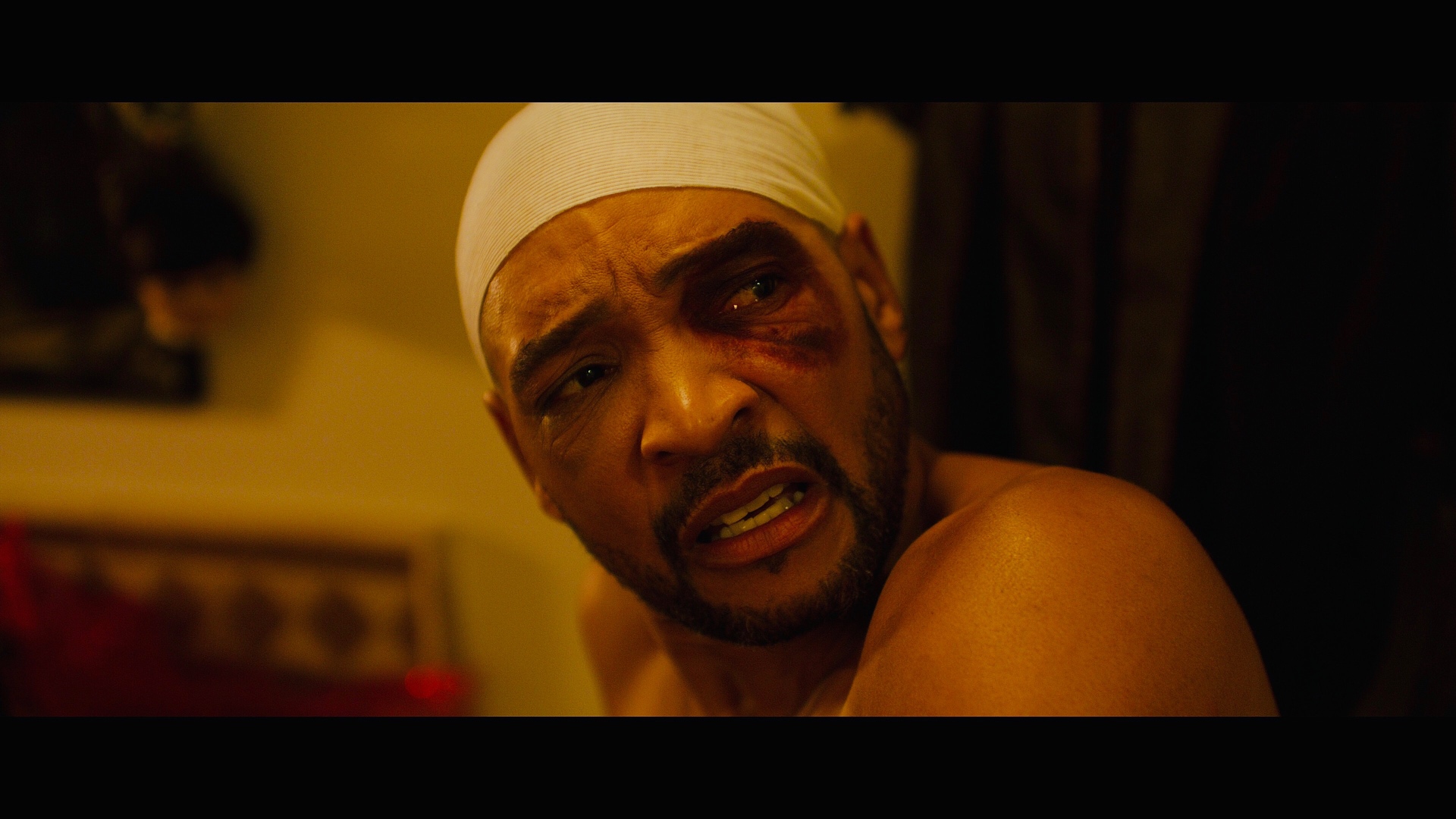
Film Still: A Held Breath
The image does not explain the story. It leaves the door open.
Build Before the Release
The strongest audience-building strategy begins with a simple change in timing.
Do not wait until the film is finished to introduce it.
Start with the title.
Then the logline.
Then the first image.
Then the questions behind the story.
During production, preserve the fragments: the location, the wardrobe, the rehearsal, the hands arranging a set, the pause before action. After production, organize those fragments into a sequence. The audience should feel a gradual opening, not a sudden demand to care.
Festivals can become launchpads rather than endpoints. A screening can lead to an email signup. A cast conversation can become an interview. A production still can become a press feature. A trailer can lead to a private community, a screening ticket, a rental, or the next film.
This is where data becomes useful.
Track what creates signups. Track what earns watch time. Track which images lead people to click, reply, share, or remain connected. The numbers are not the soul of the campaign. They are evidence of where the soul is being noticed.
In 2026, self-distribution does not mean doing everything alone.
It means understanding what you own.
It means building a direct relationship with an audience before asking that audience to show up.
The Fantastikole Approach
At Fantastikole Entertainment, digital marketing for creatives is treated as part of the larger creative world, not a separate layer applied after the work is complete.
That may include campaign development, brand storytelling, film reels, promotional content, archival materials, and behind-the-scenes documentation. The purpose is not to make a project louder than it is.
It is to make the project legible.
To preserve the atmosphere.
To give the audience a way inside.
The production still, the press portrait, the rehearsal fragment, the location photograph, the director’s note: each one becomes part of the collection. Together, they create a language that can carry the film across pages, screens, festivals, newsletters, and future releases.
We do not believe every project needs to follow the algorithm.
We believe every project needs a world.
A film marketing agency can help build the doorway. DIY practice can keep the lights on inside. The most resilient independent campaigns use both: carefully, selectively, and without surrendering the voice that made the film worth seeing.
The audience should not arrive after the story.
They should recognize the world before the doors open.
Start the reel at fantastikole.com.